CRANKSHAFTS & CONNECTING RODS
MARK THE SPOT

MARK THE SPOT

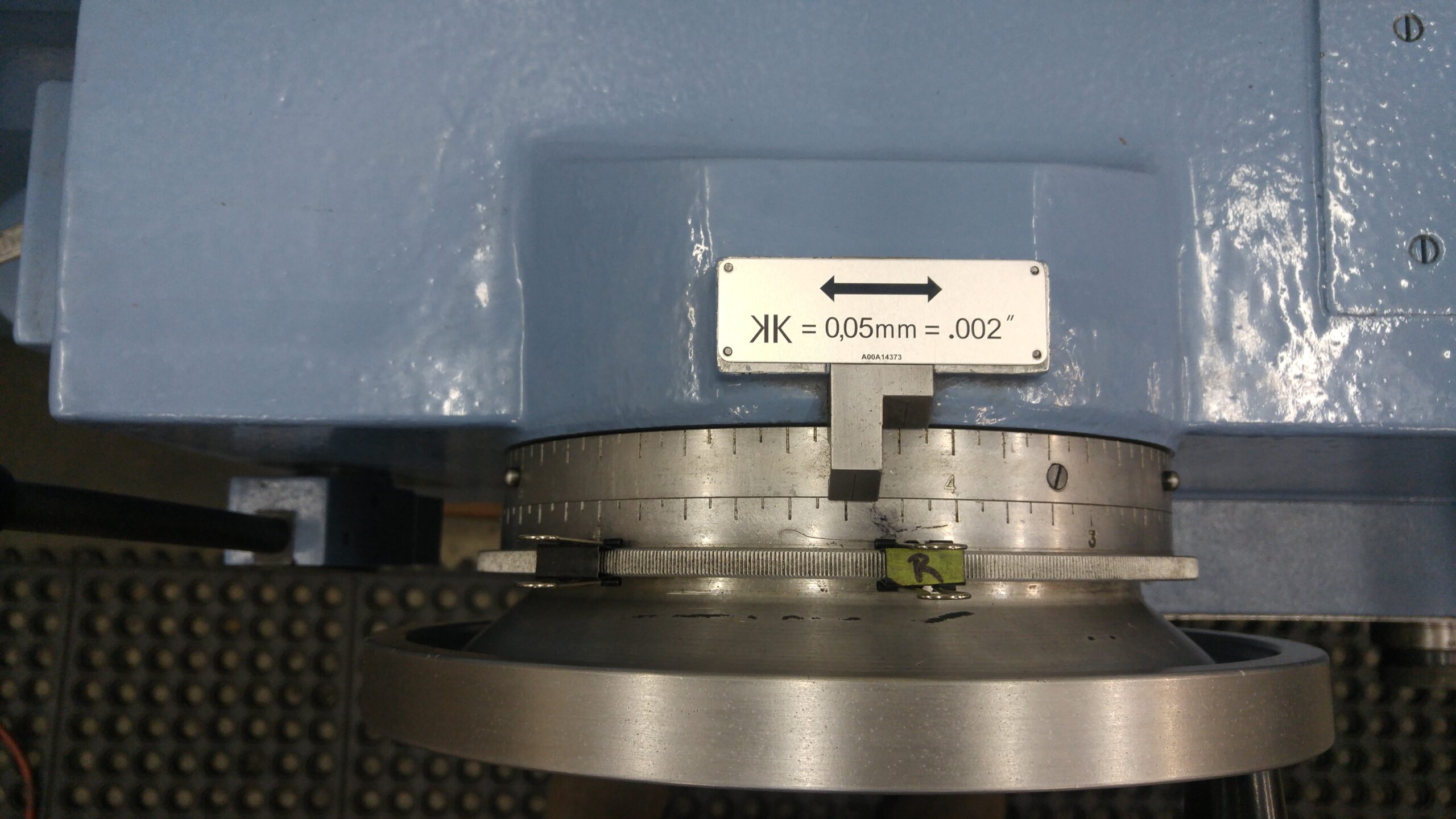
MARK THE SPOT When grinding cranks I like to know where the thrust, radius or the crank cheek is. Once I clean up that side, a simple paper clamp marks that and is a good guide on how close that surface or radius is when sweeping for final size. It works for me. Randy...
read more
GEN III VS. GEN IV CONNECTING RODS

GEN III VS. GEN IV CONNECTING RODS

GEN III VS. GEN IV CONNECTING RODS The early Gen-3 press-fit connecting rod was replaced by the Gen-4 free-floating piston pin with rod bushings. Some shops try to upgrade Gen-3 engines by substituting Gen-4 pistons, and keeping the earlier rods. You need to be aware...

read more
HONING TITANIUM RODS

HONING TITANIUM RODS

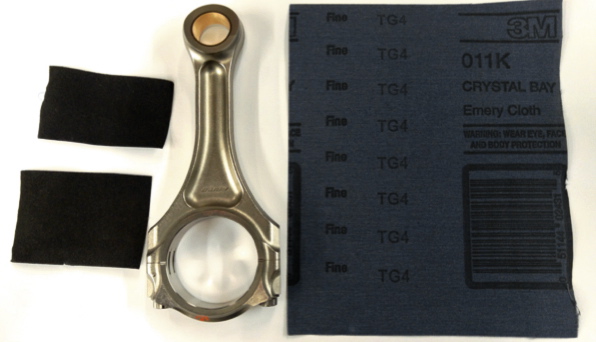
HONING TITANIUM RODS I recently used major aftermarket high strength bolts in some LS9 GM connecting rods and had to bring the rod bores back into spec. The titanium tears up stones and shoes in the rod hone. I used fine emory-cloth pieces with the abrasive side...

read more
RELUCTOR WHEEL INSTALLATION

RELUCTOR WHEEL INSTALLATION

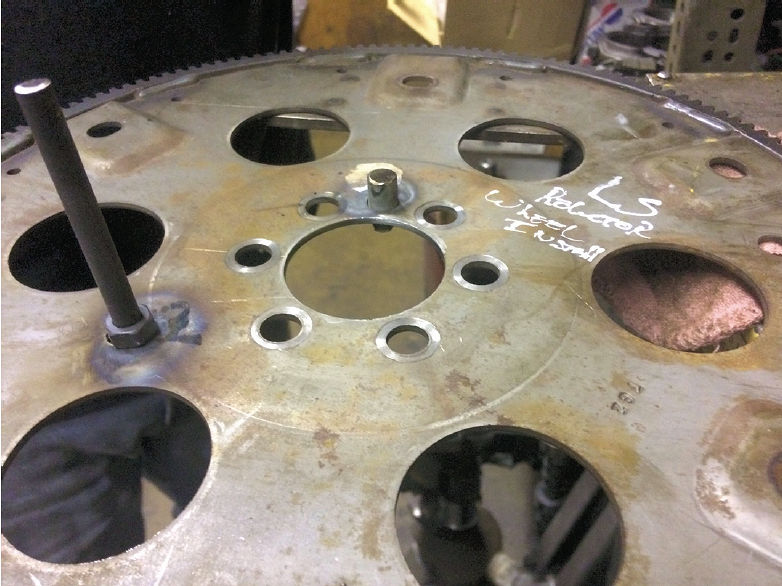
RELUCTOR WHEEL INSTALLATION Many late model engines, like the LS series GM V8’s, use a press fit reluctor wheel as a crankshaft trigger. When the need arises to swap the crankshaft reluctor, some companies sell a tool for approximately $200. Taking one off is as...

read more
GEN III VS. GEN IV CONNECTING RODS

CONNECTING ROD PIN END – BORING

CONNECTING ROD PIN END - BORING In certain cases, we have to remove a good deal of stock from the pin end of the rod. Whether to fit oversize pins in a press-fit rod, to fit bushings that are .001-.002” oversize or bore out an undersized bushing to spec, this can be...

read more
GEN III VS. GEN IV CONNECTING RODS

DOING THE LS CRANK STAND

DOING THE LS CRANK STAND Since the new LS motors all have reluctor rings, my son and I figured out a relatively easy way to stabilize our cranks when we are installing the reluctor ring to the crank. We honed out a junk harmonic balancer to use as a stand for reluctor...

read more