PISTONS & RINGS
TIGHT RING LANDS

TIGHT RING LANDS

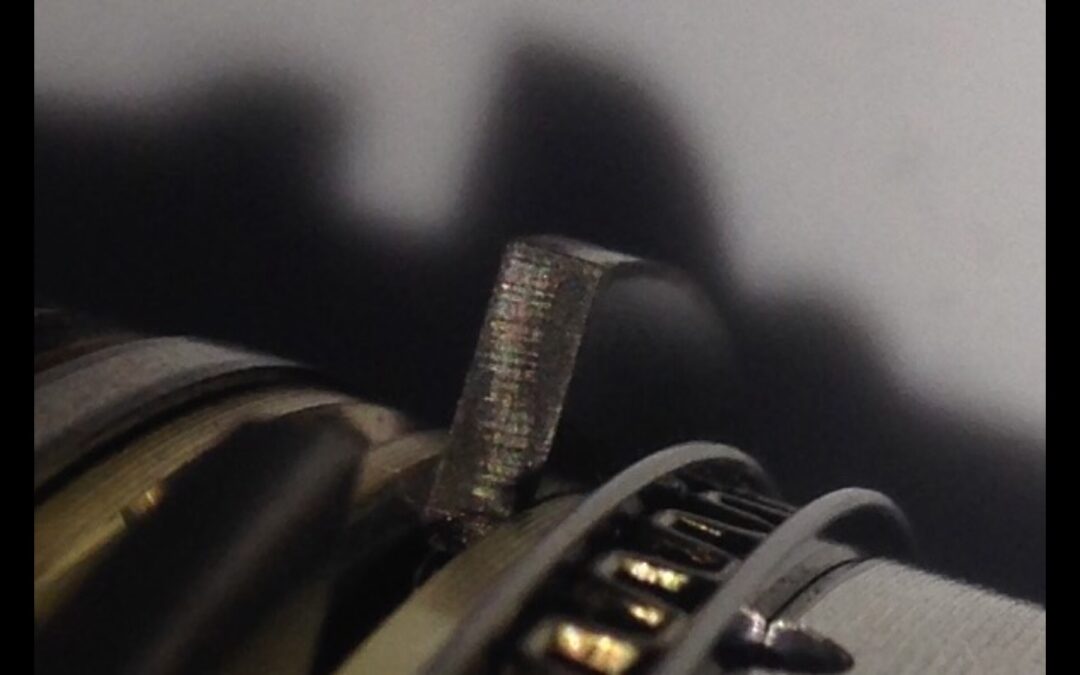
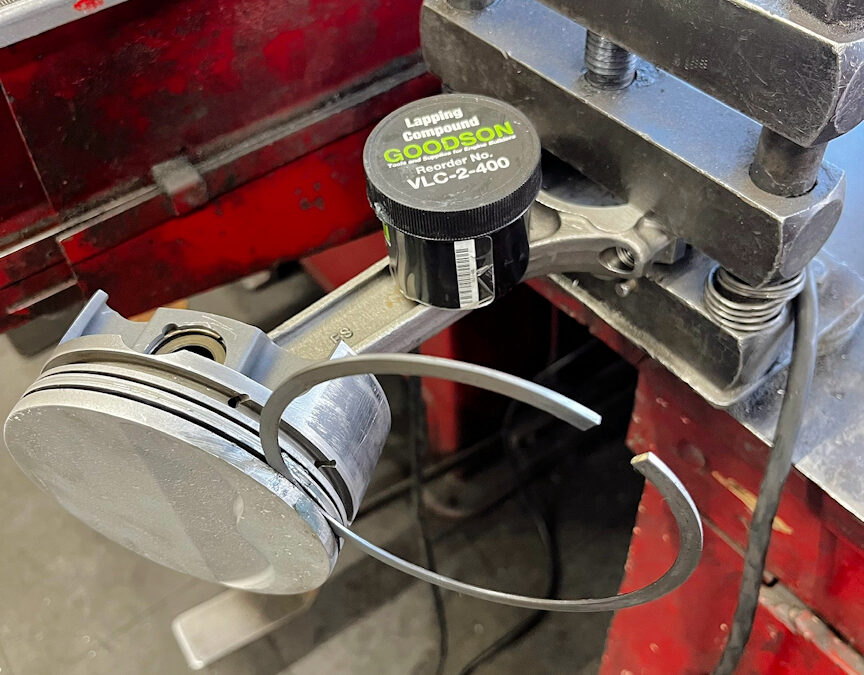
Tight ring lands in used pistons due to carbon, rust, or even slightly pinched can be a real problem to overcome. Keeping old rings and using them as scrapers has always been in my playbook, however, applying fine lapping compound liberally and working the ring back...
read more
RING GAP TIPS

RING GAP TIPS

1) Always file only one end of the ring: this will allow for a quality inspection of the ring after use to identify witness marks of "ring butting" from insufficient ring end gap 2) Always use a gauge pin to check the ring end gap instead of a feeler gauge. This will...

read more
PISTON RACK

PISTON RACK

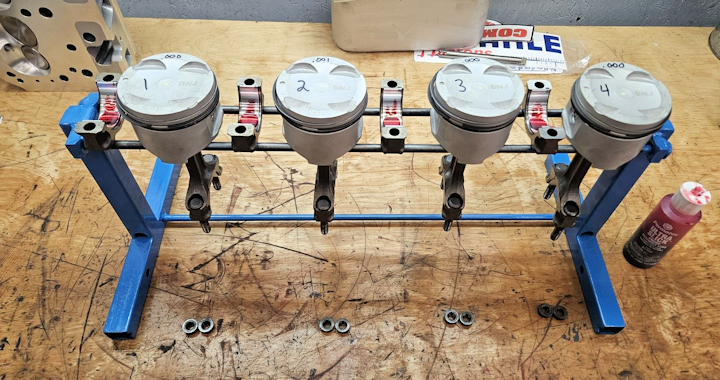
I fabricated 2 of these racks to hold piston & connecting rod assemblies. It makes transporting them in the shop easier, keeps them cleaner, especially when rings are fitted, and the added organization aids engine assembly. Tom Nichols Automotive Machine & Supply, Inc...

read more
FISHTAILING

FISHTAILING

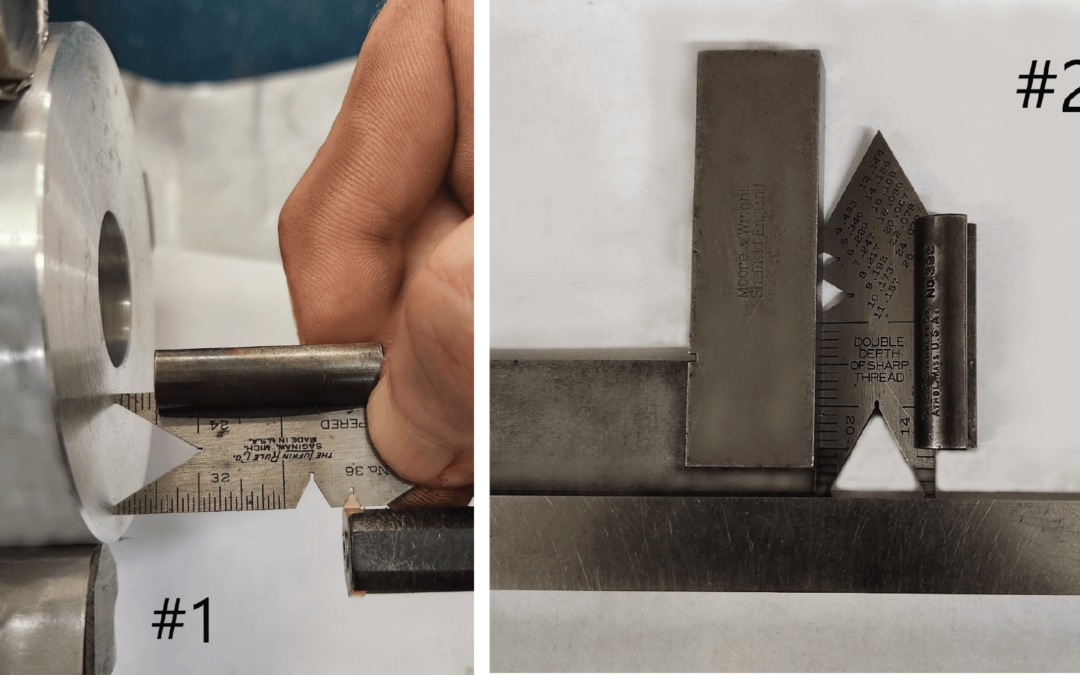
When machining threads on a lathe, a "Fishtail" is used to "square" the tool to the part. For external threads, the Fishtail's long edges are held against the O.D. of the part, while the tool is aligned to fit in one of the Fishtail's "V" notches.  When cutting...

read more
PISTON VALVE CLAY

PISTON VALVE CLAY

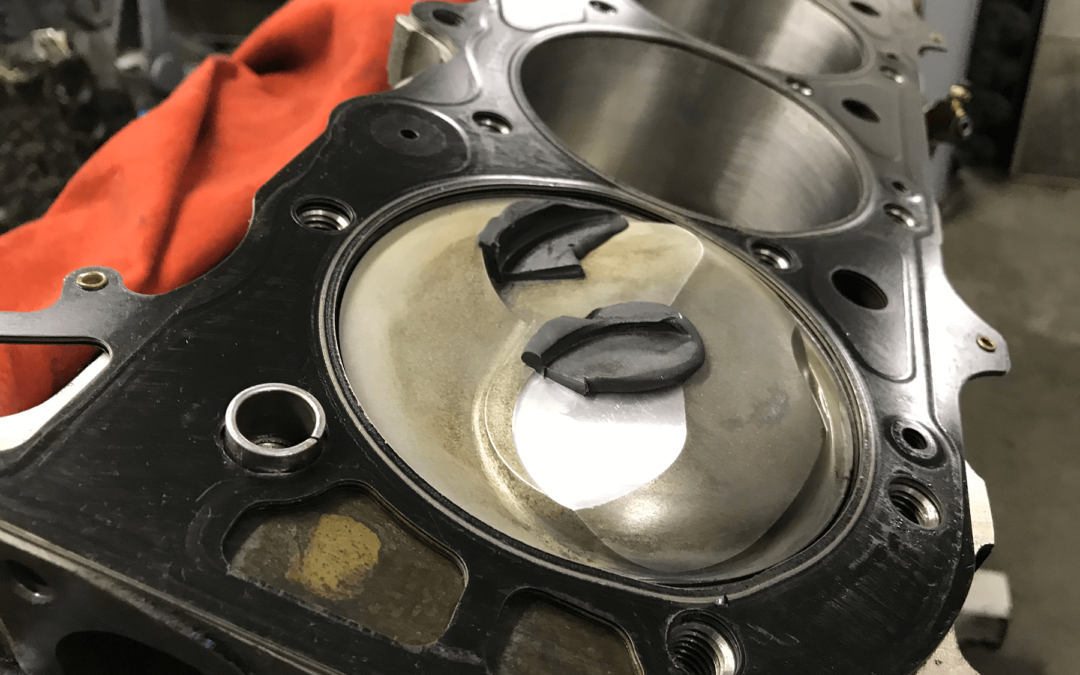
This one may be a little obvious, but maybe not. When checking piston-to-valve clearance, use cold clay and roll the engine over. Then, cut it right down the middle with a razor blade to expose your clearance reference. It’s really easy and accurate to measure right...

read more
LS PISTON PIN SIZE

LS PISTON PIN SIZE

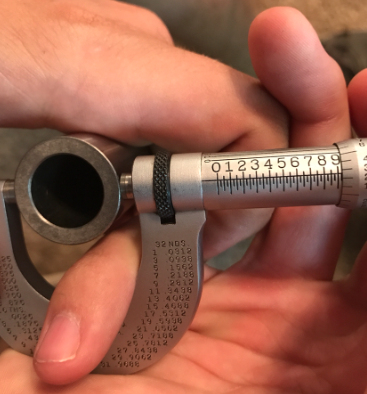
LS PISTON PIN SIZE Stock GM LS full floating connecting rods use a .943" pin and stock LS press rods use a .945" pin. Some aftermarket forged pistons designed to use a stock LS 6.098" length rods come with the .945" pin type. Pistons can be used as "Pressed" or...

read more