BROWSE BY CATEGORY
BROWSE ALL SHOP SOLUTIONS

KEEPING THE WASTE OIL OUT
KEEPING THE WASTE OIL OUT When I disassemble an engine, I always leave it upright until I’ve removed and dropped the oil pan. The rest of the disassembly will be much cleaner as the parts won’t be dripping with the remaining tramp oil that doesn’t all get fully...
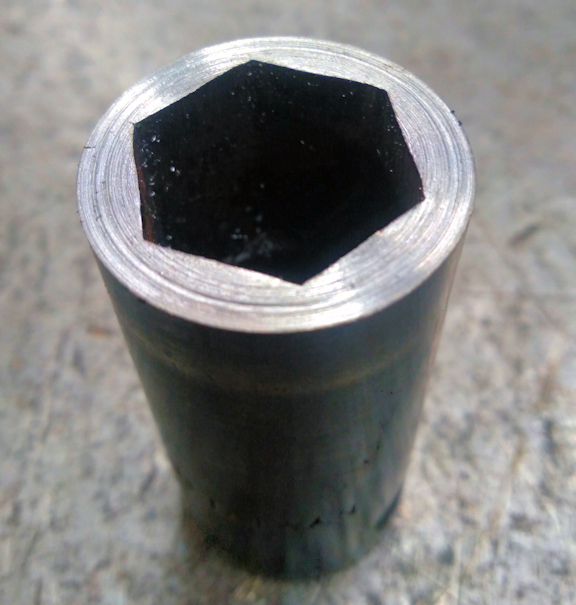
CHAMFER REMOVAL
CHAMFER REMOVAL Shallow head fasteners like flywheel bolts can be a challenge to remove without rounding the head off. I place a socket in my metal lathe and face it flat to eliminate the chamfer. I get full contact with the fastener and fewer stripped heads. Dave...
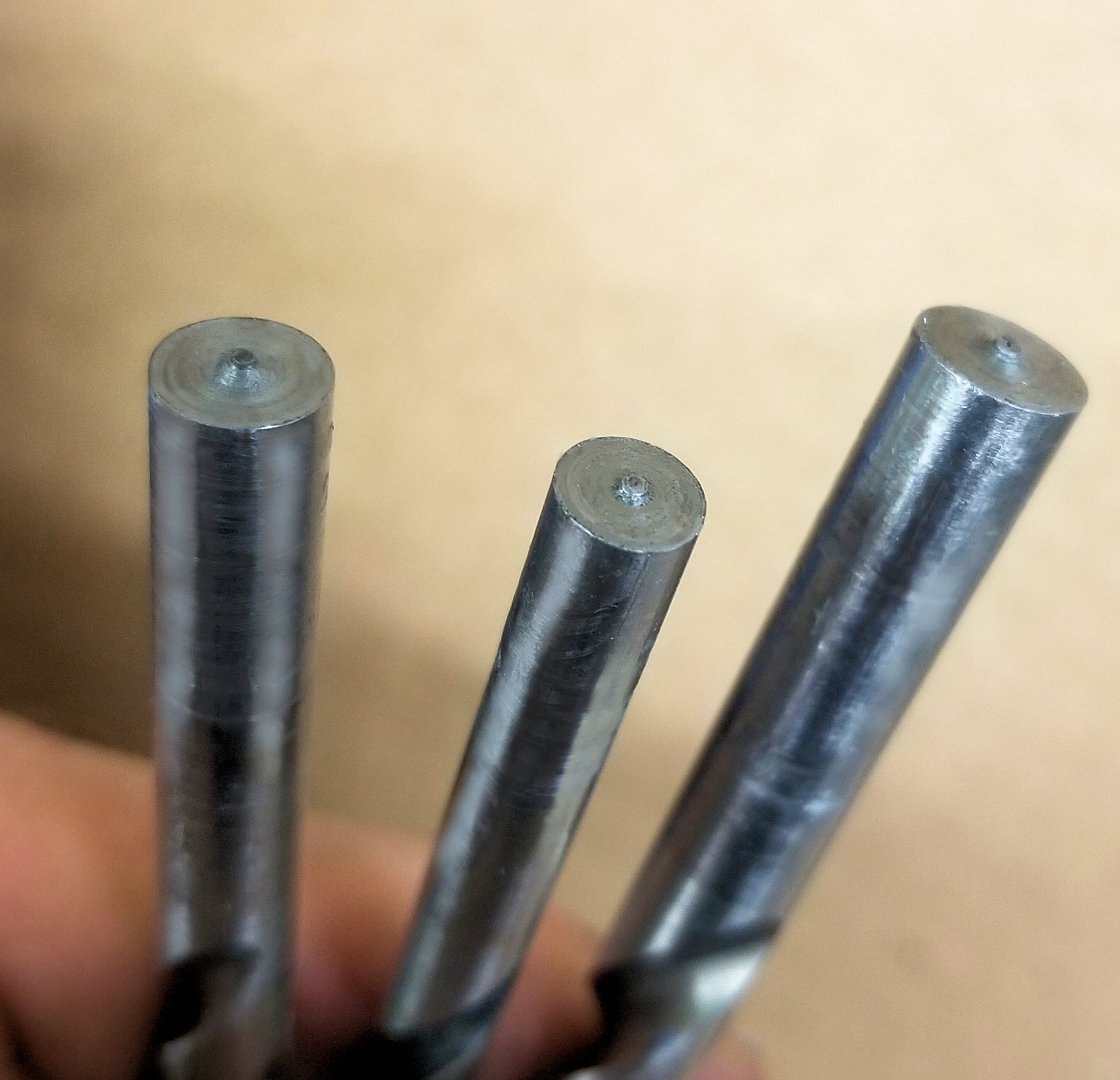
HANDY HOLE TRANSFER PUNCHES
HANDY HOLE TRANSFER PUNCHES When fabricating gaskets, exhaust flanges, etc. , a set of hole transfer punches can make the job easier. However if you do not have transfer punches, or if they're always at the other end of the shop, this little trick comes in handy. Set...
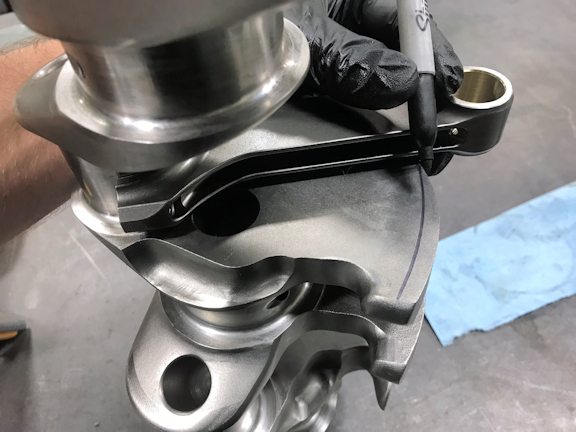
COUTERWEIGHT CLEARANCE
COUTERWEIGHT CLEARANCE When installing a shorter connecting rod than a crankshaft was meant for, it is sometimes necessary to clearance the counterweights. A quick reference we do is to use the shorter connecting rod as a guide to mark how much counterweight needs to...
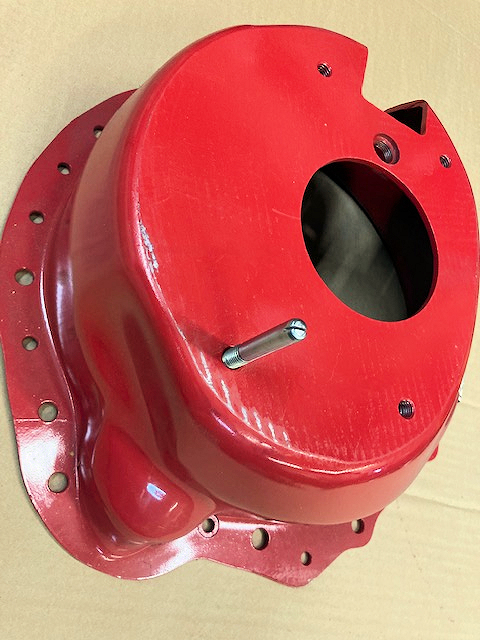
ALIGNMENT DOWELS
ALIGNMENT DOWELS Every couple of months I repair a transmission ear. The people install the transmissions out of alignment and attempt to pull them in using the mounting bolts. Part of my repair includes donating a couple simple alignment pins fabricated from bolts to...
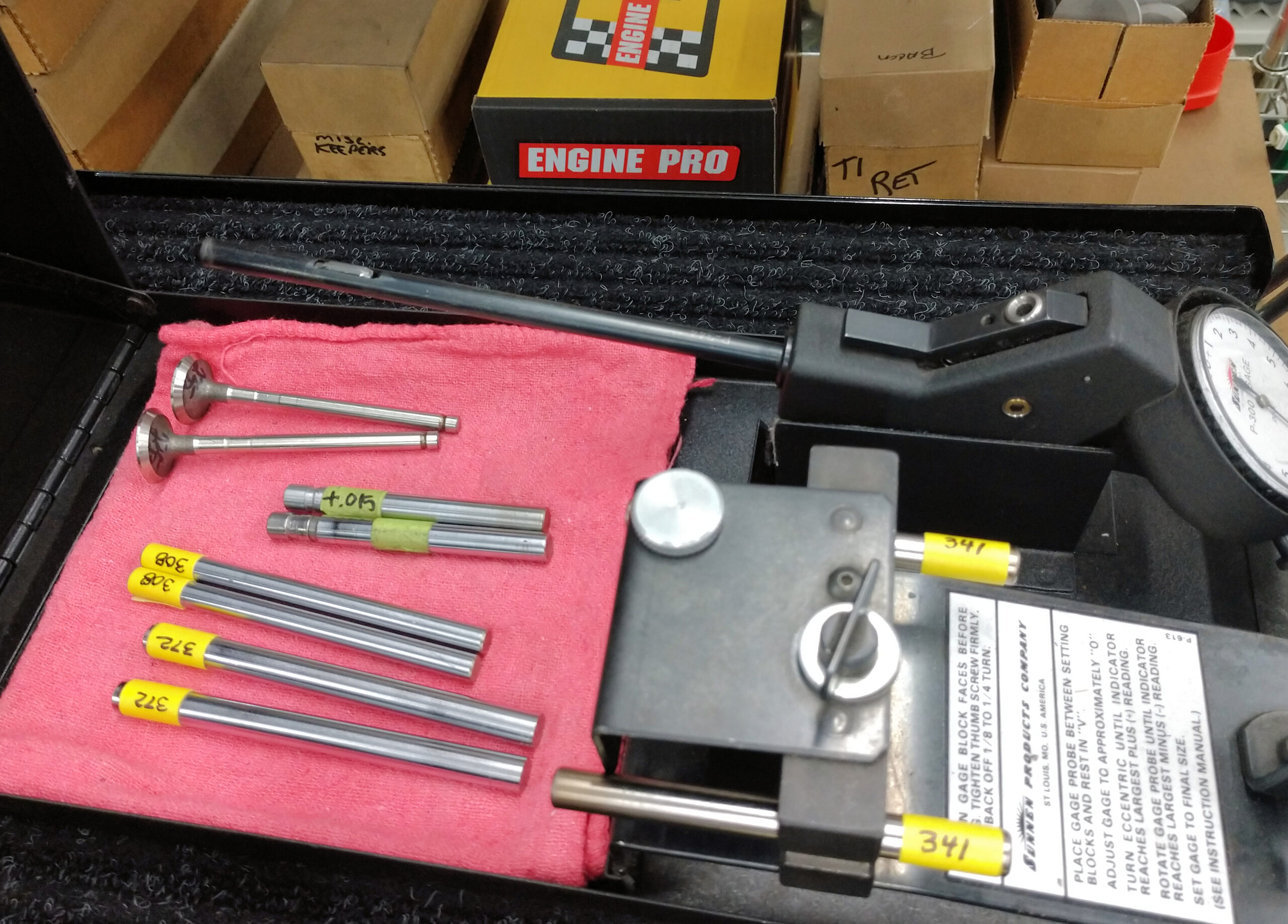
SET-UP STEMS
SET-UP STEMS When checking in heads, it's nice to just use “Set-up Stems” instead of having a box of miscellaneous valves for testing. They can at least tell you if the valve guides are useable or worn. I have the common sizes, the ones I use a lot and plan to add...
