
BROWSE BY CATEGORY
BROWSE ALL SHOP SOLUTIONS
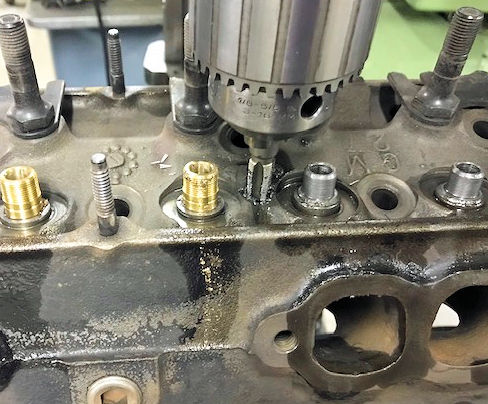
SEAT REPAIRS THAT DON’T LEAK
SEAT REPAIRS THAT DON’T LEAK When installing valve seats, you sometimes run across porosity that leads into water at the base of the counterbore. I like to pressure test after the counterbores are If you have a seat that you’re trying to seal up, you can make a...
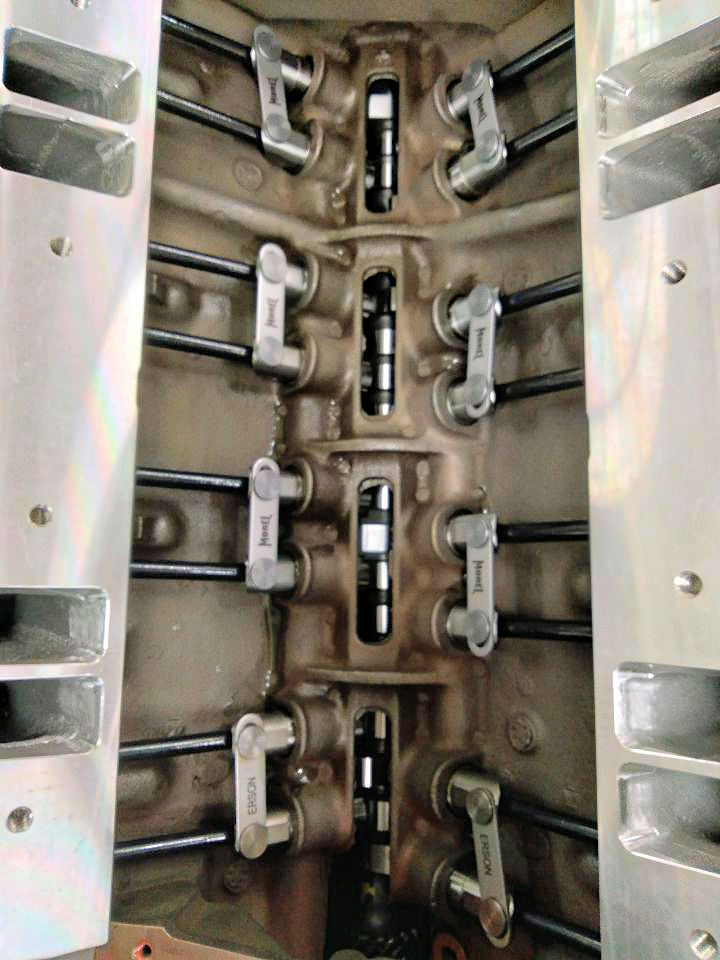
PRIME WITHOUT THE INTAKE MANIFOLD ON
PRIME WITHOUT THE INTAKE MANIFOLD ON I prime all of my engines with the intake manifold off, valley open. You can see oil escaping around lifters and cam bearings. You can see if you have the wrong base circle camshaft on SB Ford hydraulic roller cams and if the...
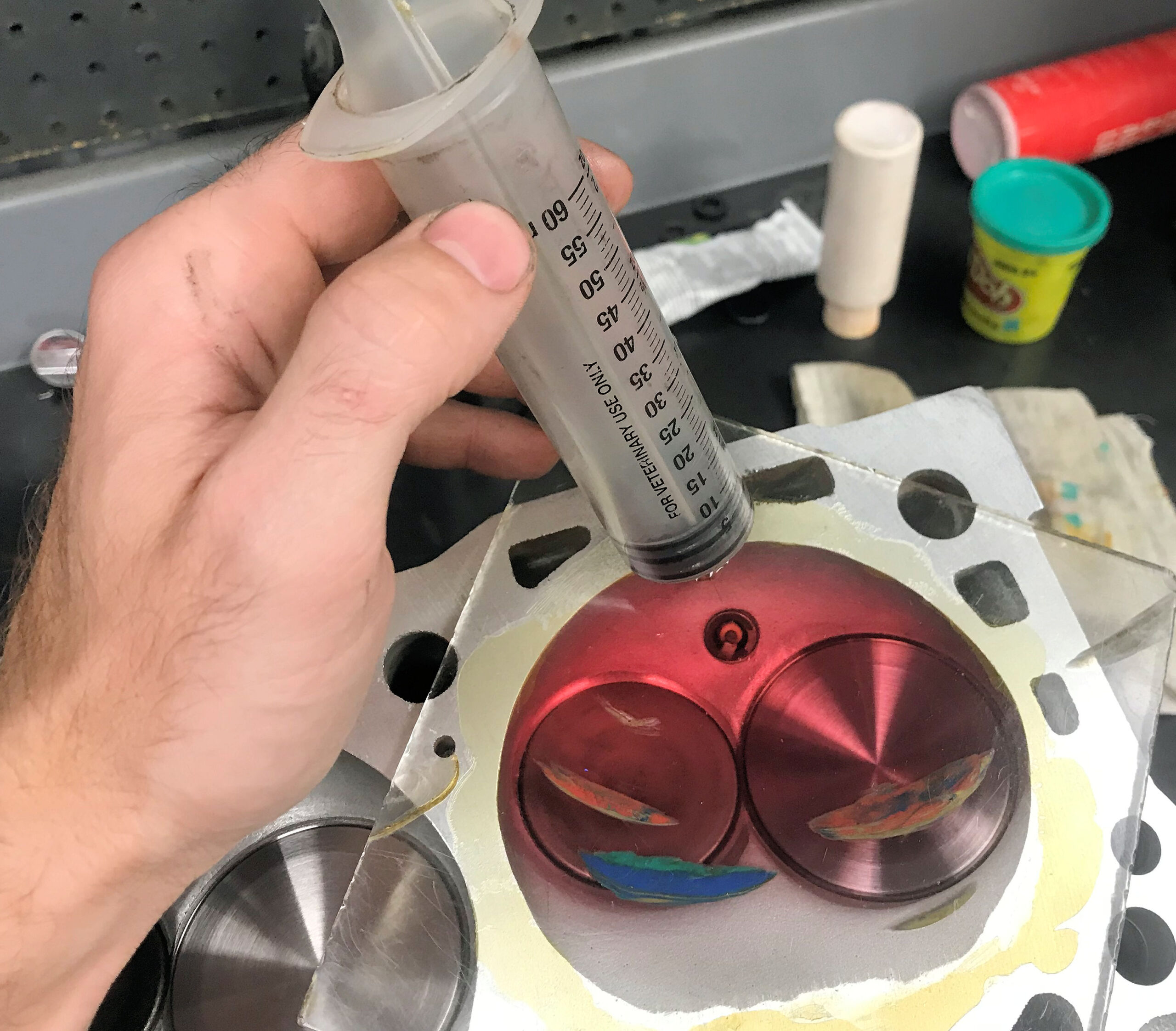
SUCK IT UP
SUCK IT UP When performing volume checks, this cuts down on the mess to clean up afterwards. Once finished pouring the volume, we use this syringe and a piece of tubing to suck the fluid out of the cylinder or chamber before removing the plate. The syringes can be...
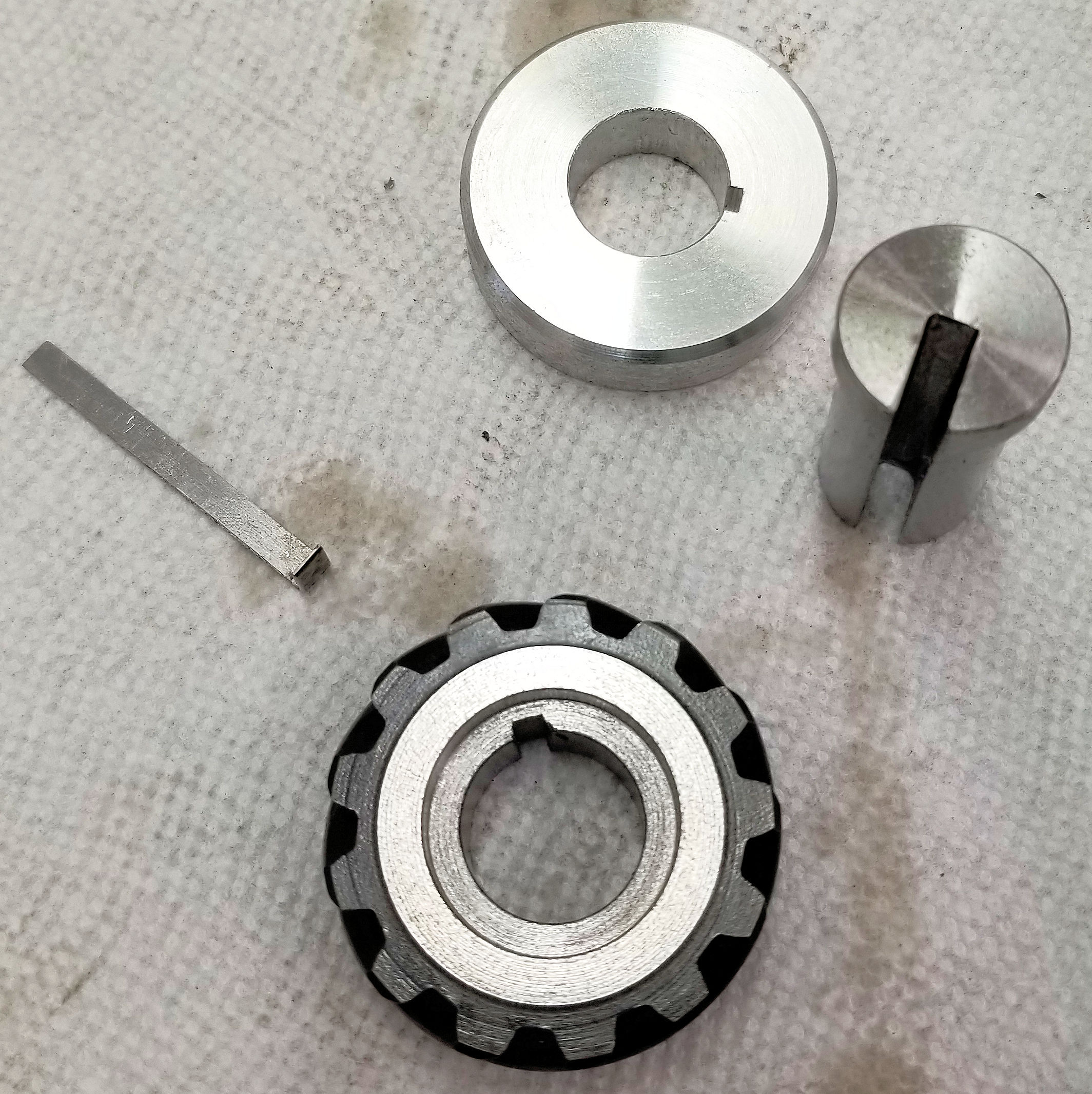
BROACHING THE SUBJECT
BROACHING THE SUBJECT When broaching a keyway in a relatively thin part, such as this modified gear cut from a Chevy camshaft or a narrow pulley, I use an aluminum spacer to hold the broach guide bushing up and out of the work piece. This will help hold the broach...
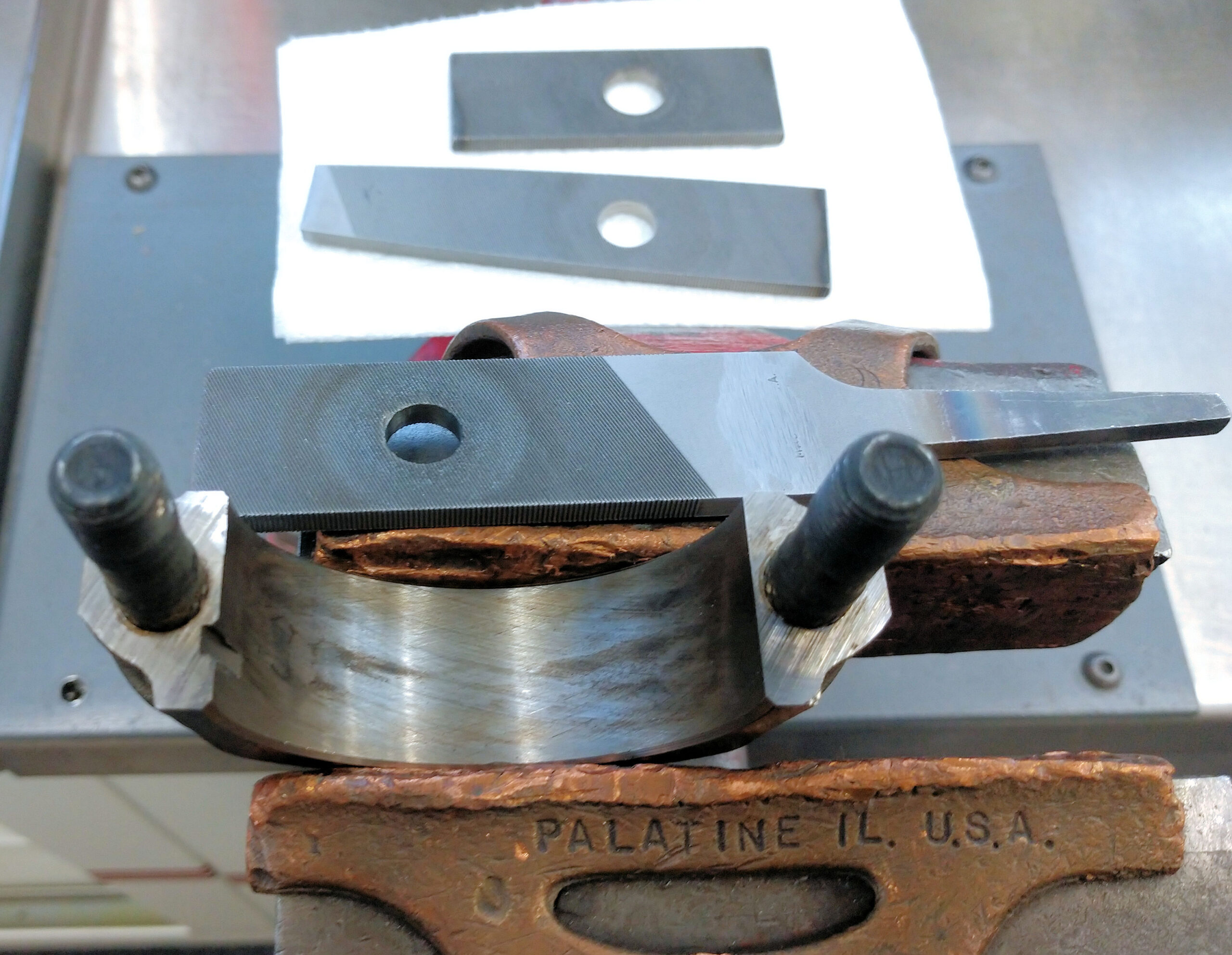
EASY ROD DEBURR
EASY ROD DEBURR I have an easy way to deburr a connecting rod with the bolt still in and even performance rods with the dowels in. I had some file pieces drilled by my buddy at a tool shop. He drilled them about .005 over with Carbide drills. I have 3/8”, 7/16” and ½”...
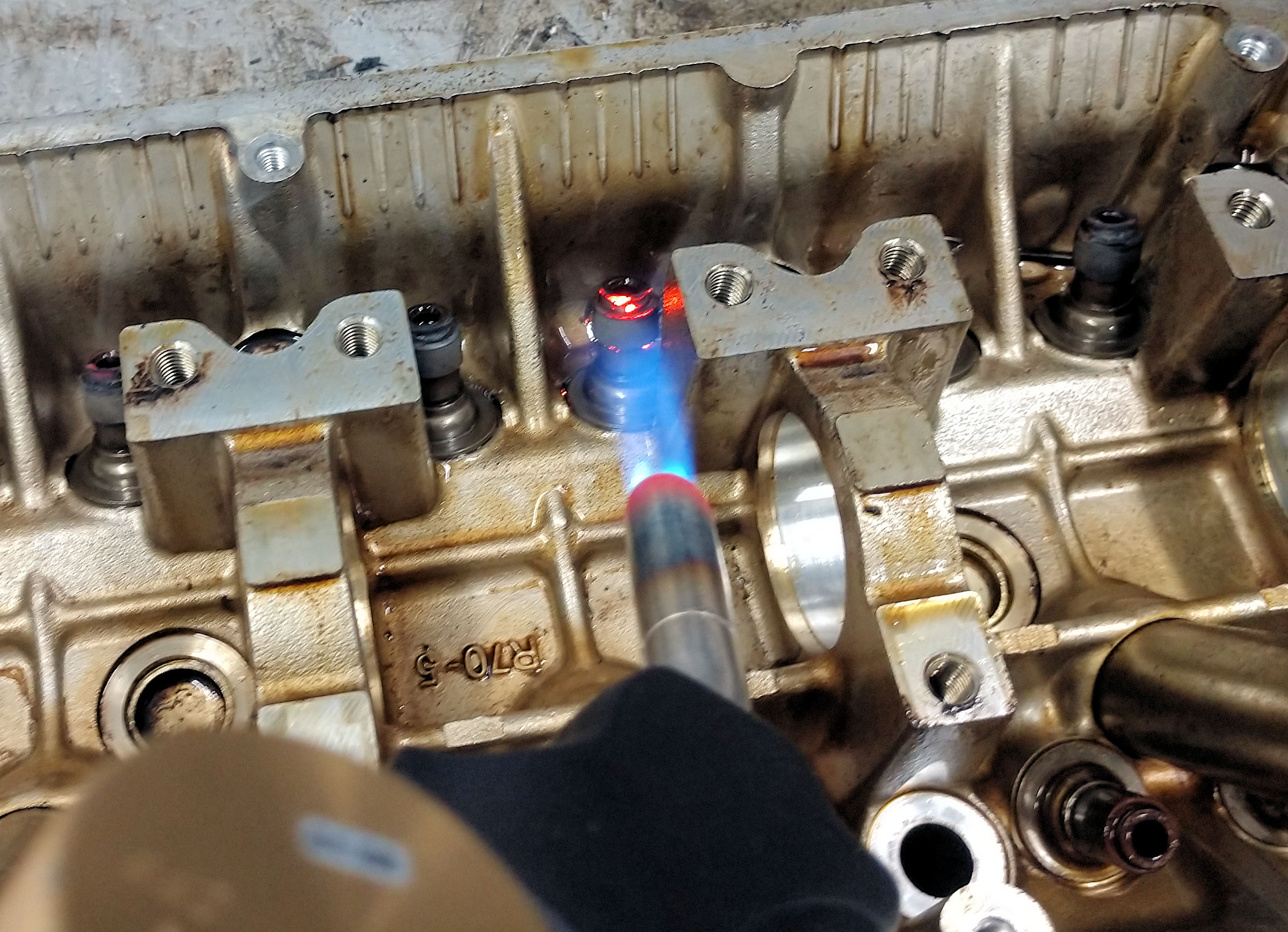
ANOTHER SILLY HEAT TRICK
ANOTHER SILLY HEAT TRICK We all heat our oil plugs, studs and bolts to free them up. I found another heat solution, removing stubborn valve seals. I just warm them up with a propane torch to soften the rubber and they pull right off. This works great! Randy Torvinen...
